
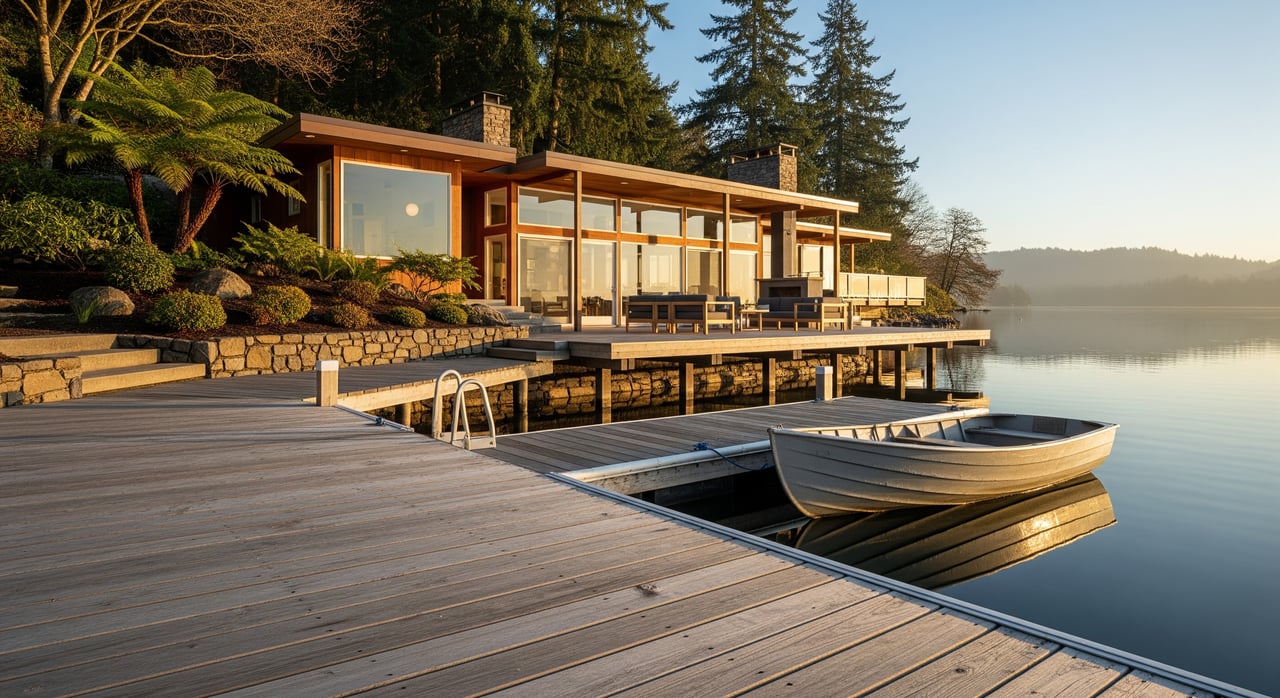
What does a typical day look like when your backyard is Oswego Lake? If you are imagining peaceful mornings, lively summer afternoons, and cozy winters with a view, you are on the right track. You also want the full picture of access, upkeep, and rules that come with waterfront living. In this guide, you will see the real rhythms of lake life in Lake Oswego, plus the practical steps to weigh before you buy. Let’s dive in.
Where Lake Oswego fits on the map
Lake Oswego sits just south of Portland along the Willamette River corridor. The city centers around Oswego Lake, which locals simply call “the lake.” Most of the city is in Clackamas County, with small portions in Multnomah County.
If you commute into Portland, the drive to downtown is often 6 to 10 miles, usually 20 to 35 minutes depending on route and traffic. TriMet serves parts of Lake Oswego, but many lakefront residents drive for daily errands and work.
Neighborhoods around the lake each feel a bit different. Downtown and Old Town cluster near Millennium Plaza and the boat basin with shops, dining, and community events. Westlake, South Shore, and areas along Lake Grove include pockets with water access, view homes, and parks. Walkability and access to parks vary by pocket, which can shape your day-to-day routine.
Morning rhythms on the water
Many lakefront mornings start quietly. You may sip coffee on a deck facing the water while the light changes across the surface. Big windows and indoor-outdoor layouts matter here, because you spend as much time looking at the lake as you do being on it.
If you like to start active, the calmest water often comes early. Paddleboarding or kayaking at daybreak is common. Streets with lake views become casual routes for dog walks or jogs. Public shoreline is limited, so where you can stroll right along the water depends on nearby parks and access points.
Weekdays vs. weekends
During the workweek, the shoreline tends to stay calm. Residents head to work, and boat activity is lighter. You can expect normal neighborhood sounds like lawncare and passing cars. If your pocket has frequent dock use, you might hear occasional boat motors on warm afternoons.
Weekends, especially in summer, dial up the energy. Private docks turn into outdoor living rooms. You will see more paddlecraft, neighborhood barbecues, and gatherings on patios. During holiday weekends like the Fourth of July, you should plan for more guest parking on narrow streets and a livelier soundscape into the evening.
How the seasons shape life
Spring brings more time outside, fresh landscaping, and some damp days. You will see neighbors tackling shoreline maintenance and yard projects as the weather improves.
Summer is the peak season. Expect the most on-water activity, the clearest skies, and a full calendar of local events like concerts, arts festivals, and the downtown farmers market. Your dock and patio will likely see constant use.
Fall quiets the water and turns the shoreline into a show of foliage. It is a great time for low-key boating or evening views.
Winter slows everything down. Fewer boats are out, and maintenance takes center stage. You will pay more attention to roofing, gutters, drainage, and any slopes on your lot. Oswego Lake stays cool, so swimming is a shorter seasonal window compared to warmer climates.
Homes and lots along the lake
You will find three common setups around the lake:
- Direct waterfront homes. These properties sit on the shoreline, often with private docks. Lots can be steep or terraced, and you will see a mix of historic, mid-century, and modern custom builds. Foundations and landscaping often adapt to slope conditions.
- View homes above the water. These sit on ridges or small hills. You get lake views without direct water access, which lowers maintenance and cost relative to true waterfront.
- Near-lake homes. These are a short walk from the water and may trade dock rights for a more manageable budget and simpler upkeep.
Across all options, driveway length and guest parking can be a factor. Lakeside streets often run narrow, which matters for gatherings and contractor access.
What drives value and resale
Lakefront and water-view homes carry a premium compared to inland homes and the broader Portland metro. True waterfront parcels are limited, which keeps demand high. For a specific pricing snapshot, your best bet is to review local MLS data and current broker market updates.
Certain features tend to influence value:
- Access and dock rights. Private docks, size, and legal status are major value drivers. Confirm whether rights are exclusive or shared.
- Shoreline structures and stability. Seawalls, riprap, and retaining walls matter. Documentation of upkeep is important for buyers.
- Slope and drainage history. Steep lots perform best when you have records of geotechnical review and maintenance.
- School district and location factors. Many buyers cite the Lake Oswego School District and proximity to downtown amenities as part of their decision-making.
Access rights and lake governance
Not all homes near the lake have the same water access. Some parcels include private dock ownership. Others may have access governed by a neighborhood association or a private lake corporation. You want to confirm exactly what transfers with the property.
As you evaluate a home, review the deed, title report, and any CC&Rs or association bylaws. Ask whether the dock is included in the sale, whether it has permits in place, and whether access is exclusive or shared. Also clarify any dues or assessments linked to water rights or common areas.
Permits, shoreline work, and agencies
Shoreline projects usually require permits. Common examples include a new dock, seawall repairs, bulkhead work, or vegetation removal along the shore. The City of Lake Oswego handles local shoreline and land-use approvals. Depending on the scope, you may also interact with state agencies like the Oregon Department of State Lands or the Department of Environmental Quality.
Before you plan changes, talk with the city planning and building departments about requirements and timelines. If there is an HOA or neighborhood group, review rules about docks, lifts, boat types, and exterior changes. Clear approvals reduce risk and protect your investment.
Flood, slope, and environmental risks
Every lakefront purchase should include a review of risk. Start by checking FEMA flood maps for the property’s zone and any flood insurance needs. On steep lots, a geotechnical opinion helps you assess slope stability and drainage.
Because conditions change seasonally, keep an eye on water quality. Some Oregon lakes report harmful algal blooms at certain times of year. Before you or your pets swim, check advisories from the Oregon Health Authority or local public health agencies.
If the lake relies on control structures or dams, ask for any recent maintenance or safety updates that could influence risk profiles. A local broker can direct you to the right city or county contact for those records.
Insurance and inspections to plan for
Waterfront homes can carry higher insurance costs due to water intrusion, wind exposure, and slope-related issues. Request quotes early in your process so premiums do not surprise you later.
Along with a standard home inspection, consider specialty reviews:
- Dock and seawall inspection by a marine contractor
- Geotechnical review for steep or terraced lots
- Drainage assessment that looks at roof, gutters, downspouts, and slope management
If a property has older shoreline improvements, ask for maintenance records and any permits. Clear documentation can help you negotiate repairs or credits and gives you a plan for future upkeep.
Ongoing maintenance and seasonal costs
Lake living often means a bit more maintenance than an inland yard. You will want to budget for:
- Dock upkeep and hardware replacement
- Shoreline stabilization repairs and erosion control
- Seasonal landscape care that supports drainage
- Winter tasks like roof and gutter cleaning
If you share structures, such as a community dock or bulkhead, confirm who pays for what. Review any agreements to understand cost sharing and decision-making processes.
Utilities, parking, and everyday logistics
Most Lake Oswego properties connect to city sewer, but always verify the specific lot. If a home has unique site conditions, ask whether any private systems exist and how they are maintained.
Guest parking is a practical consideration. Many lakeside streets are narrow, and summer gatherings can increase the number of cars. As you tour neighborhoods, note driveway lengths and nearby public parking, especially in busier pockets near downtown parks.
Smart due diligence steps
Before you write an offer, use this quick checklist:
- Verify access. Confirm dock and lake access rights in the deed, title report, survey, and any HOA documents.
- Confirm permits. Ask for permits and approvals for existing docks, lifts, seawalls, and shoreline landscaping.
- Inspect the shoreline. Hire a marine contractor to evaluate docks and seawalls. Get estimates for any deferred work.
- Evaluate slope and drainage. Order a geotechnical opinion if the lot is steep. Check maintenance records for retaining walls.
- Review flood info. Look up FEMA flood map status and get insurance quotes for flood and water-related coverage.
Visit at multiple times of day and in different seasons if you can. A weekday morning will feel different from a sunny Saturday afternoon in July. Talk to neighbors to learn about parking, boat traffic, and noise patterns during peak summer.
Is lake living right for you?
If you love indoor-outdoor living, water recreation, and a strong sense of place, Lake Oswego’s shoreline lifestyle can be a great fit. You will enjoy early paddles, sunset dinners on the dock, and a lively calendar of community events in the warmer months. In return, you will take on more maintenance, clear approvals for shoreline work, and careful planning around insurance and inspections.
When you approach lakefront buying with eyes open, you set yourself up for long-term enjoyment and better resale. A local advisor can help you verify access, coordinate specialty inspections, and navigate city and state requirements. If that sounds helpful, let’s talk.
Ready to explore lakefront options or near-lake homes with views? Reach out to Shelley Lucas to discuss your goals, compare neighborhoods, and create a step-by-step plan to buy with confidence.
FAQs
What does a typical summer weekend on Oswego Lake feel like?
- Expect more boat and paddlecraft activity, gatherings on docks and patios, and higher demand for guest parking. Holiday weekends can be especially lively into the evening.
How long is the commute from Lake Oswego to downtown Portland?
- Depending on route and traffic, many residents report 20 to 35 minutes for the 6 to 10 mile drive. Public transit serves parts of the city, but many lakefront residents drive.
Do all lake-adjacent homes have private docks in Lake Oswego?
- No. Access varies by parcel. Confirm dock ownership, permits, and whether access is exclusive or shared by reviewing the deed, title report, and any HOA documents.
What inspections should I order for a waterfront home?
- In addition to a standard home inspection, consider a dock and seawall inspection by a marine contractor, a geotechnical review for steep lots, and a drainage assessment.
Are harmful algal blooms a concern for Oswego Lake?
- Some Oregon lakes see seasonal harmful algal blooms. Before swimming or letting pets in the water, check advisories from the Oregon Health Authority or local public health agencies.
Do I need flood insurance for a Lake Oswego waterfront home?
- It depends on the flood zone. Check FEMA flood maps for your specific address and obtain insurance quotes early so you understand costs and coverage requirements.
