
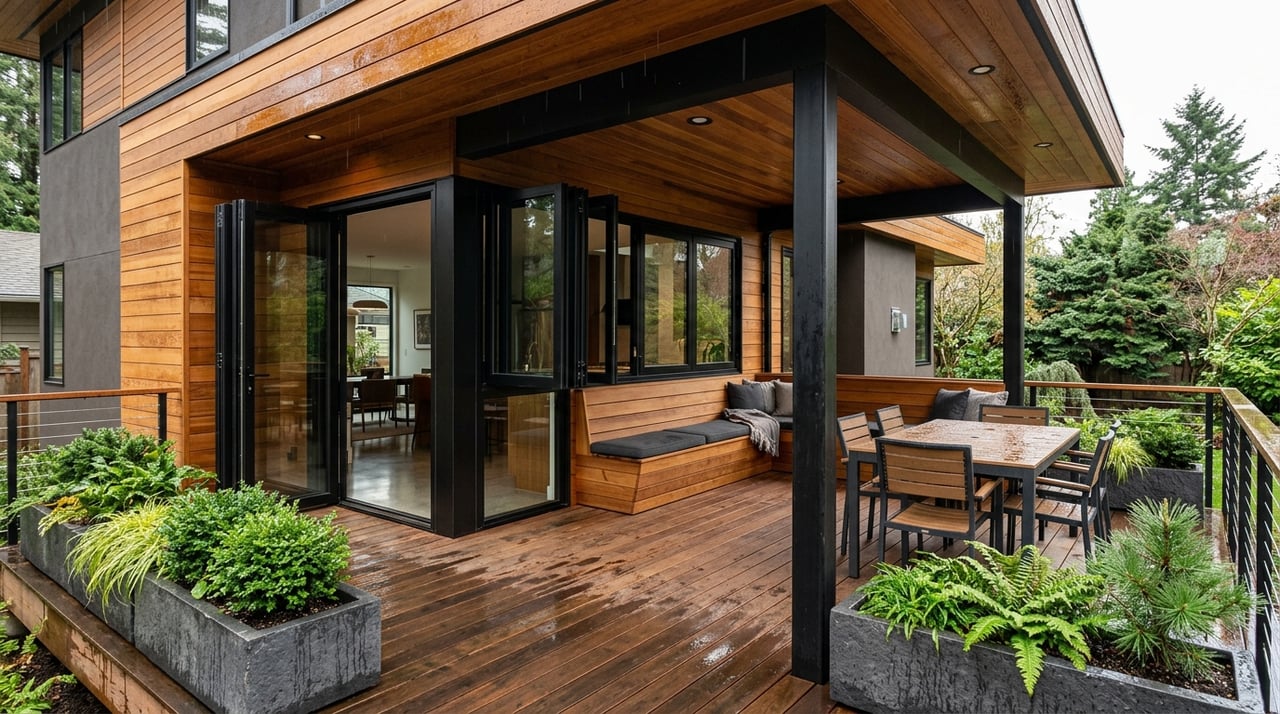
Looking for a place where outdoor time feels built into everyday life? In West Linn, that idea is more than marketing language. With more than 600 acres of park land, 25.6 miles of trails, and access to both the Willamette and Tualatin Rivers, the city offers a setting where hiking, paddling, river access, and backyard living all connect. If you are thinking about buying, selling, or simply getting to know the area better, this guide will show you how West Linn’s outdoor lifestyle shapes daily routines, neighborhood character, and even the features buyers tend to notice most. Let’s dive in.
Why West Linn Stands Out Outdoors
West Linn covers just 7.39 square miles, yet it packs in an impressive amount of outdoor access. According to the City of West Linn parks and trails overview, the city includes more than 600 acres of park land and 25.6 miles of trails for walking, biking, and wildlife viewing.
That matters when you picture daily life here. Instead of planning a full weekend trip to get outside, you can often find a trail, river viewpoint, or park access point close to home. The city also participates in the Willamette River Water Trail, which reinforces how strongly river recreation is tied to the local identity.
West Linn is also planning ahead. The city’s Willamette River waterfront vision covers 275 acres and focuses on expanded river access and recreation opportunities, including concepts like paddle-craft lessons, rentals, and additional trail connections where feasible.
Best Riverfront Parks in West Linn
If river access is high on your list, West Linn gives you several official options. Some parks are ideal for launching a boat or paddle craft, while others are better for walking, wildlife viewing, or a relaxed afternoon by the water.
Mary S. Young Park
Mary S. Young Park is one of the city’s best-known outdoor destinations. The park spans 128 acres and includes roughly 5 to 8 miles of trails, along with sports fields, a reservable shelter, urban birding opportunities, and a dog area.
It is also a strong fit if you want a more wooded, natural setting. The mix of forested trails and river access gives the park a tucked-away feel while still being part of daily neighborhood life.
Willamette Park and Bernert Landing
Willamette Park and Bernert Landing sit at the confluence of the Tualatin and Willamette Rivers and together total 22.5 acres. This is one of the most full-featured riverfront recreation areas in the city, with a boat ramp, dock system, picnic shelters, a gazebo, stage, playground, wading pool, ballfields, volleyball courts, horseshoe pits, WiFi, and wildlife viewing.
For many residents, this is the kind of park that supports both active recreation and casual gatherings. You can launch on the river, meet friends for a picnic, or spend time near the water without needing a long drive.
Cedaroak Boat Ramp
If you are focused on getting onto the water, Cedaroak Boat Ramp is worth knowing. The 16.5-acre site includes river access, hiking trails, fishing, wildlife viewing, restrooms, and improved parking and ramp facilities.
This kind of asset can matter to buyers who want practical recreation access, not just a scenic view. Easy launch points can shape how often you actually use your kayak, fishing gear, or small boat.
Cedar Island
Cedar Island adds a more distinctive outdoor experience. This 14-acre island in the Willamette River offers boat access, fishing platforms, hiking trails, and wildlife viewing, with seasonal pedestrian access by floating bridge from Mary S. Young Park.
It is the sort of place that makes West Linn feel especially connected to its river setting. Features like this are not common in every suburb, and they add to the area’s sense of place.
Other River Access Spots
Several smaller spaces round out the city’s outdoor network. These include:
- Burnside Park for hiking trails, river access, and wildlife viewing
- West Bridge Park for paths and easy river access
- Swiftshore Open Space and Tualatin River Open Space for fishing, wildlife viewing, improved walkways, native plantings, and interpretive signage
- Maddax Woods for wooded trails, picnic tables, and river access
Taken together, these spots create a broad mix of outdoor options. Some are set up for active use, while others are better for quiet time, short walks, or nature viewing.
Paddling, Fishing, and Trail Time
Outdoor living in West Linn is not limited to lawns and patios. It also includes the way you use the rivers and trails around you.
Because the city is part of the Willamette River Water Trail, paddling is already part of the local recreation mix. The waterfront planning page also points to future concepts like paddle-craft rentals and lessons, which signals continued interest in making river recreation more accessible.
Fishing and wildlife viewing also show up across multiple official park descriptions, including Cedaroak Boat Ramp, Cedar Island, Swiftshore Open Space, and Burnside Park. For buyers who want a home base near outdoor recreation, that variety can be appealing because it supports many different routines, from early morning walks to weekend time on the water.
How Neighborhoods Reflect Outdoor Living
West Linn’s outdoor identity is not the same in every neighborhood. In some areas, it shows up through historic streetscapes and community events. In others, it appears through ridge views, sloped lots, and outdoor spaces designed around topography.
Historic Willamette
The Historic Willamette walking tour page describes the area as home to almost 70 unique architectural structures, heritage trees, and seasonal outdoor events such as picnics in the park, art events, outdoor conferences, and a farmers market.
That creates a very visible link between neighborhood character and outdoor living. Front porches, mature landscaping, walkable gathering spaces, and exterior upkeep can have a strong presence here because the setting encourages people to spend time outside.
It is also important to know that the Willamette Historic District has design review requirements for exterior alterations. If you are buying a home there and considering updates, or preparing to sell and planning exterior improvements, that approval process may be part of the conversation.
Marylhurst
Marylhurst offers a different outdoor-living profile. The city describes it as a 171-acre neighborhood on a ridge overlooking the Willamette River, with moderate to steep slopes and ridge elevations around 550 feet.
For homeowners, that kind of terrain can influence how outdoor spaces are used and designed. Terraced yards, multi-level decks, view-oriented patios, and landscaping that works with slope conditions can be especially relevant in areas like this.
Neighborhood Identity Across West Linn
West Linn has eleven neighborhood associations, including Willamette, Bolton, Robinwood, Marylhurst, Parker Crest, Rosemont Summit, Sunset, and others. That structure supports a strong sense of local identity and community involvement.
For buyers, this can be helpful context when comparing areas within the city. Even when two homes are similar on paper, the nearby trail access, park connections, and neighborhood rhythm may feel quite different in person.
What Buyers Notice in Outdoor Spaces
Outdoor amenities influence how buyers evaluate both homes and neighborhoods. According to the National Association of REALTORS® 2024 outdoor features report, 92% of REALTORS® recommend improving curb appeal before listing, 97% say curb appeal matters in attracting a buyer, and 98% say it matters to potential buyers.
That same report also notes buyer interest in the broader setting around a home. In NAR’s 2024 generational trends findings, 60% of buyers cited neighborhood quality, 28% cited larger lots or acreage, 20% cited access to parks and recreational facilities, and 22% cited convenient outdoor space for pets as factors that influenced neighborhood choice.
In West Linn, those priorities often line up with the local landscape. Buyers may respond to features such as:
- Decks and patios with treetop or river outlooks
- Landscaped yards that frame views or create privacy
- Shaded seating areas for everyday use
- Storage for bikes, kayaks, or outdoor gear
- Pet-friendly yards near trail or park access
- Outdoor spaces that connect smoothly to indoor living areas
These are not one-size-fits-all upgrades. The right features often depend on the lot, the neighborhood, and how the home relates to its surroundings.
Outdoor Features That Can Help Sellers
If you are preparing to sell in West Linn, your outdoor spaces deserve real attention. In a market where parks, trails, and river access are part of the lifestyle story, buyers tend to notice whether a home feels connected to that setting.
That does not always mean a major renovation. Sometimes the most effective updates are focused and practical, such as improving curb appeal, refreshing landscaping, defining a sitting area, or making a deck or patio feel more usable and intentional.
In certain neighborhoods, the strategy should also match the property context. A historic-area home may need thoughtful exterior planning because of design review requirements, while a ridge or view property may benefit more from presenting outdoor spaces in a way that highlights outlooks and livability.
This is where a design-aware, ROI-focused approach can make a difference. When you evaluate what to improve before listing, it helps to look at the home through the lens of how buyers will experience both the property and the surrounding West Linn lifestyle.
Why This Matters for Buyers and Sellers
West Linn’s outdoor appeal is not just about weekend recreation. It shapes how people live, what they value in a home, and how properties are presented in the market.
For buyers, understanding the city’s riverfront parks, neighborhood settings, and trail access can help you narrow in on the right fit. For sellers, it can help you position your home more effectively by showing how the property supports the everyday lifestyle people are looking for.
If you are thinking about buying or selling in West Linn, working with a local advisor who understands both the neighborhood details and the presentation side of real estate can help you make smarter decisions. If you want tailored guidance on how to position a home or find the right West Linn fit, connect with Shelley Lucas.
FAQs
Where can you access the river in West Linn?
- Official river access points include Mary S. Young Park, Willamette Park and Bernert Landing, Cedaroak Boat Ramp, Cedar Island, Burnside Park, West Bridge Park, Swiftshore Open Space, Tualatin River Open Space, and Maddax Woods.
Is paddling part of outdoor recreation in West Linn?
- Yes. West Linn participates in the Willamette River Water Trail, and the city’s waterfront planning also includes concepts for future paddle-craft lessons and rentals.
Which West Linn neighborhood is known for river views?
- Marylhurst is the clearest official example, as the city describes it as a ridge neighborhood overlooking the Willamette River with moderate to steep slopes.
Do exterior updates in Historic Willamette need approval?
- Yes. In the Willamette Historic District, exterior alterations require city approval through design review.
Why do outdoor features matter when selling a home in West Linn?
- Outdoor spaces matter because buyers often value curb appeal, park access, pet-friendly outdoor areas, and recreation-oriented neighborhood features, all of which align with West Linn’s local setting.
