
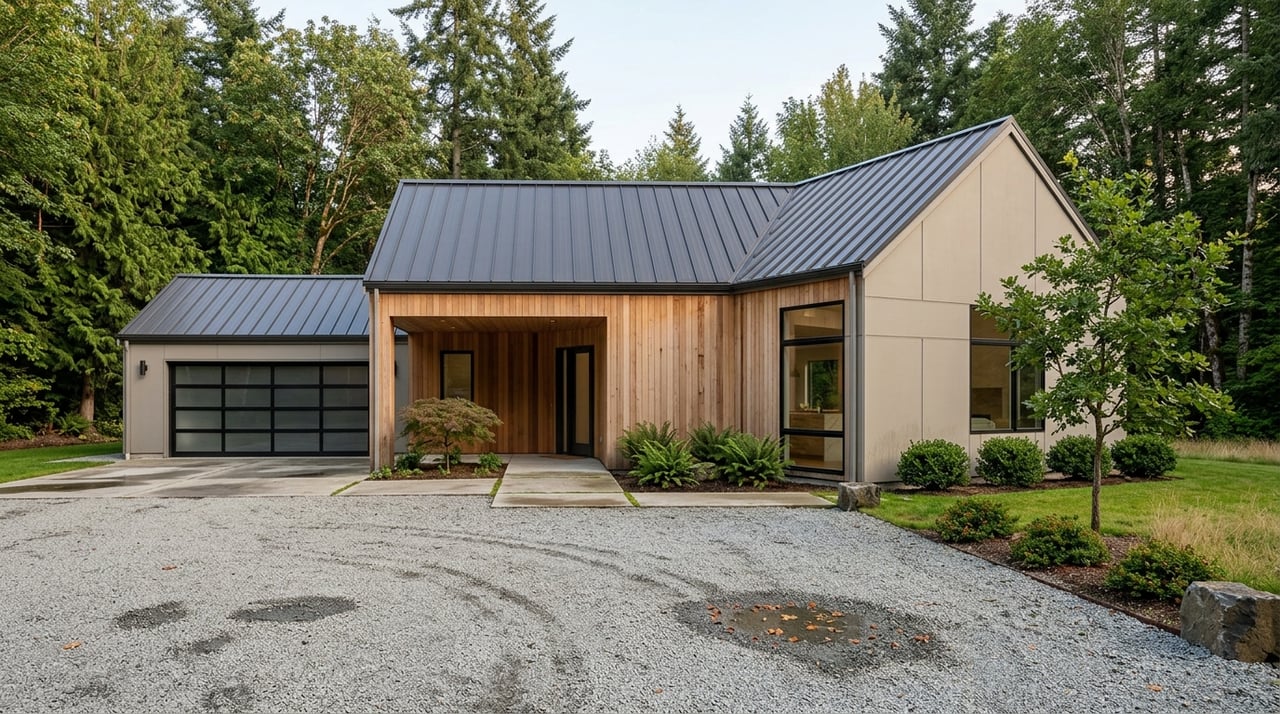
Dreaming about a home with vines in the distance, room to breathe, and a little more land under your feet? Buying acreage in Oregon wine country can be exciting, but it is also very different from buying a house on a standard neighborhood lot. If you are looking in Yamhill and the 97111 area, the smartest move is to understand how zoning, wells, septic, access, and long-term upkeep shape what you are really buying. Let’s dive in.
Start With the Land, Not the House
When you buy acreage in Yamhill County, the first question is not whether you love the kitchen or the view. The first question is what the parcel is legally allowed to be used for. Yamhill County’s GIS WebMap and official zoning map are key starting points because zoning is the final authority for current zoning status in unincorporated areas.
That matters because two properties with similar acreage can come with very different rules. One parcel may function mainly as a rural home site, while another may be geared toward farm or forestry use. If you assume the land can support a future barn, second dwelling, small vineyard, or farm stand without checking first, you could run into costly surprises.
Know the Main Zoning Types
Yamhill County includes several zoning districts that often show up on acreage properties.
EFU land
Exclusive Farm Use, or EFU, is meant to protect land suitable for commercial agriculture. The county code says nonfarm residential and other development that could be affected by normal farm practices may be limited or prohibited.
Wineries can be allowed in EFU zones, but that does not mean every related use is automatic. Site design review may still apply, and buyers should not assume a home on acreage can easily become a tasting room or agritourism property.
AF zones
Agriculture/Forestry zones such as AF-20, AF-40, and AF-80 are intended to protect mixed agriculture and forestry land. These districts limit uses that do not support crops, livestock, forest products, or conservation of soil, water, and habitat.
For a buyer, that means the land may support a certain rural lifestyle, but it may also come with fewer residential freedoms than expected. If your plan goes beyond simply living there, this zoning detail matters early.
AF-10 small holding land
AF-10 is designed for selected small-holding lands. It encourages small-scale or more intensive farm and forestry activities while still allowing rural homes and some related uses.
This can be a useful fit if you want a rural property with room for modest land use, but it still requires careful review. The exact permit path can depend on what improvements or uses you have in mind.
VLDR land
Very Low Density Residential districts are more like rural residential transition areas. These areas rely on local-road access, individual domestic wells, sewage-disposal systems, and rural fire protection.
The county also notes that water limits and soil conditions can affect how dense development can be. In plain terms, even if the property feels residential, the land itself may still limit what you can build or add.
Ask These Zoning Questions Early
Before you make an offer, try to answer these questions:
- What is the exact zoning district for the parcel?
- Are there overlays on the tax lot?
- Is the property inside city limits or in unincorporated county?
- Are you buying for a residence only, or do you want a barn, ADU, vineyard use, or another structure?
- Does the zoning support your intended use, or will additional review be needed?
Yamhill County’s permit guide also notes that if land-use approval is required, you should allow several weeks. It also says land-use approval must happen before septic approval.
Wells Are a Major Due-Diligence Item
On acreage in wine country, water is often a private matter. Oregon says private wells are not maintained or regulated by the state or county government, so the well owner is responsible for testing and maintenance.
That makes testing essential. The Oregon Health Authority says the only way to know whether groundwater is safe to drink is to test it with an accredited laboratory.
What buyers should review
If the property has a domestic well, ask for:
- Recent water test results
- The well report
- Well ID information
- Any known maintenance history
For sellers of homes with domestic wells, Oregon’s Domestic Well Testing Act applies during the transaction. The seller must test for arsenic, nitrate, and coliform bacteria, and those results are valid for one year.
Oregon also recommends annual testing for coliform and nitrate, plus arsenic testing every 3 to 5 years. In agricultural areas, groundwater can be affected by fertilizers, pesticides, and nearby septic systems, which makes this especially relevant in wine country settings.
Why well records are only part of the picture
Oregon Water Resources Department keeps well reports for most wells drilled since 1955. These reports can show depth, casing size, flow rate, and water level, but they are archived records and not updated over time.
That means a well file is helpful, but it should not be treated as the whole story. Some older reports may not clearly match today’s address or tax lot, so deeper verification is often worth the effort.
Septic Can Affect Use, Financing, and Future Plans
Septic is just as important as the well, and sometimes even more important if you plan changes to the property. Yamhill County says septic approval is a two-step process: first a site evaluation to test soil suitability, then a permit to install the tank and drain field.
For existing systems, an evaluation may be needed for properties on three acres or less or for loan approval. Changes in use can also trigger septic review.
Changes that may require septic authorization
According to Yamhill County, you may need septic authorization if you plan to:
- Add bedrooms
- Replace a home
- Add a bathroom to an accessory building
- Change how the system is used
If the system is failing, a septic repair permit is required. For buyers, this means the current setup should match the way the property is actually being used today, not just how it was originally built.
Access and Driveways Matter More Than You Think
A beautiful rural property can lose a lot of appeal if access is unclear or difficult. Long driveways, private roads, gates, and easements are common with acreage, so legal and physical access should be confirmed carefully.
Yamhill County requires driveway improvements to be safe, passable, and adequate for fire protection equipment before issuing a building permit. The local fire department must inspect and approve the driveway, and county Public Works approval is also required.
Fire access details to keep in mind
The Oregon State Fire Marshal recommends:
- 13 feet 6 inches of vertical clearance
- 20 feet of horizontal clearance
- Gates wide enough for large apparatus
- Reflective address signs visible from both directions
These details can affect not just safety, but also your ability to improve the property later.
Verify Surveys, Easements, and Site Conditions
Never rely only on listing maps or aerial photos when buying acreage. Yamhill County’s Surveyor office maintains survey records and land-survey search tools that can help confirm boundaries, plats, and survey status.
This is especially important if the parcel has fencing that may not align with legal boundaries, shared access, or unclear corners. Floodplain maps and soil or forest class maps on the county GIS can also change how you think about build sites, drainage, pasture use, and overall utility.
Think Beyond the Purchase Price
Acreage ownership usually means more responsibility after closing. You are not just caring for a home. You may also be managing weeds, pasture, runoff, fencing, debris, drainage, and seasonal access.
Oregon State University Extension notes that small-acreage landowners often need help with soil, water, livestock, and vegetation. In other words, the right property is not just about what looks good on day one. It is about what feels realistic for your lifestyle over time.
Wildfire maintenance is part of ownership
Wildfire preparation is an ongoing issue on many rural Oregon properties. The Oregon State Fire Marshal recommends keeping the first 5 feet around the home nonflammable, mowing grass to less than 4 inches, spacing tree crowns, and keeping gutters clear.
OSU Extension adds that defensible space should reach 100 feet or more and may lose effectiveness within 5 to 10 years if maintenance slips. Wildfire mitigation requirements are not uniform statewide, so buyers should also check with the local building department to see what rules apply in the area.
Do Not Overlook Special Tax Assessment
Some acreage properties in Yamhill County may be under farm or forest special assessment. These programs can lower taxes when land remains in agricultural or timber production.
The tradeoff is that extra tax liability can apply if the property no longer qualifies. Farmland in EFU may transfer with ownership if acceptable farm activities continue, while forestland categories have their own rules and thresholds.
For buyers, this is not a minor detail. It can affect your carrying costs now and your flexibility later.
A Smart Due-Diligence Sequence
If you are serious about buying acreage in Yamhill wine country, this is a practical order to follow:
- Check the parcel on the county GIS and official zoning map.
- Confirm whether the property is in unincorporated county or inside city limits.
- Request well records, Well ID information, and recent water tests.
- Review septic records and ask whether the system matches current and intended use.
- Verify legal access, driveway conditions, easements, and survey records.
- Review floodplain, soil, and site conditions.
- Ask whether farm or forest special assessment applies.
- Consider the real maintenance load, including wildfire preparation.
This process may feel more detailed than a typical home purchase, but that is exactly the point. With acreage, the details are often the property.
A purchase like this benefits from a well-coordinated team. Depending on the property, that can include a county planner, sanitarian, surveyor, well professional, septic professional, title or escrow officer, local fire department, and conservation or Extension contact.
If you are exploring acreage in Oregon wine country and want a clear, steady guide through the moving parts, Shelley Lucas can help you Right-Size Your Life with practical local insight and responsive support.
FAQs
What should you check first when buying acreage in Yamhill County?
- Start by verifying the parcel on Yamhill County’s GIS WebMap and official zoning map so you know the exact zoning district, overlays, and permitted use.
What well tests matter when buying a home with acreage in Oregon?
- For a domestic well, Oregon requires seller testing for arsenic, nitrate, and coliform bacteria during many real estate transactions, and buyers should also review recent water test results and available well records.
What septic issues can affect an acreage purchase in Yamhill?
- Septic records should match the current number of bedrooms and intended use, and changes like adding bedrooms, replacing a home, or adding a bathroom to an accessory building may require septic authorization.
What access problems should buyers watch for on rural property?
- Buyers should verify recorded legal access, easements, driveway condition, and whether the access route can meet fire and county standards for future permits or improvements.
What does special farm or forest assessment mean for acreage buyers?
- Special assessment can lower property taxes while qualifying land stays in approved farm or forest use, but taxes may change or additional liability may apply if the use changes later.
What makes acreage harder or easier to resell in Oregon wine country?
- Properties with clear zoning, documented access, usable well and septic records, and a manageable maintenance burden are often easier for future buyers to understand and evaluate.
